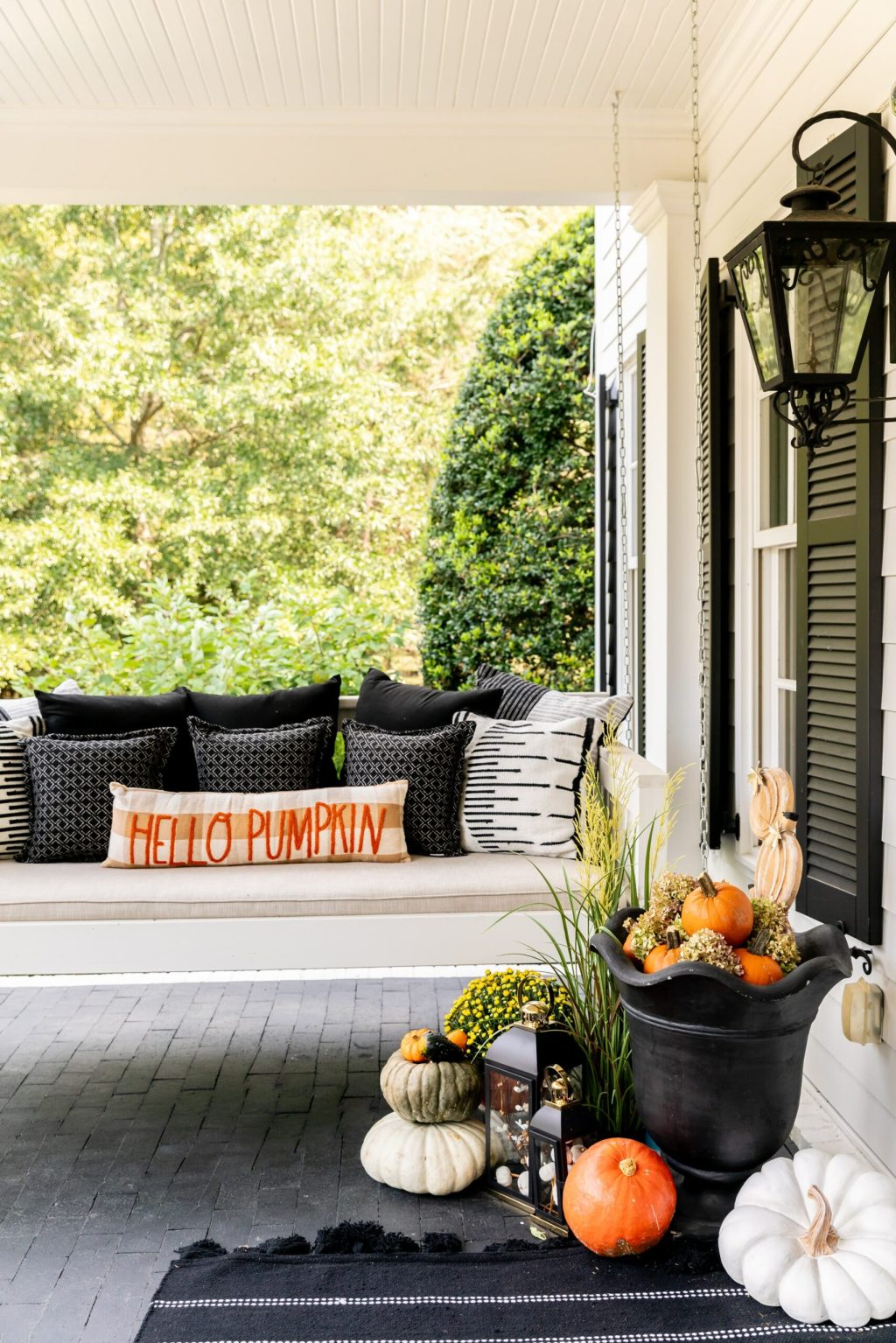
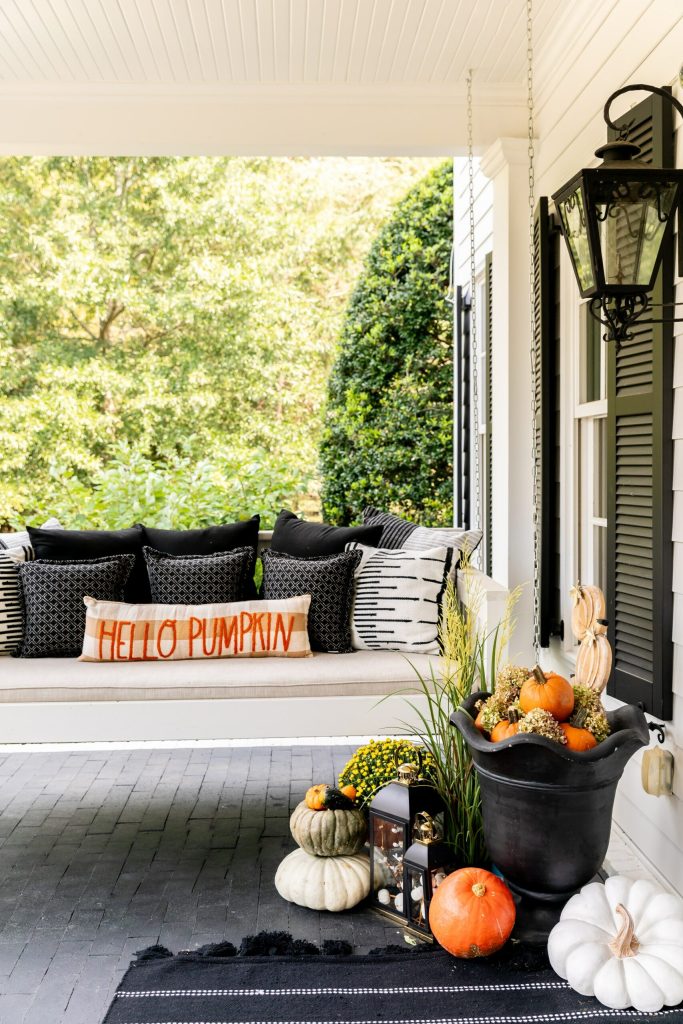
• Maintaining Curb Appeal in the Fall

    When selling a home, first impressions matter. In fact, curb appeal can influence how quickly a
    property sells and even impact its final sale price. As autumn rolls in with shorter days, falling
    leaves, and cooler temperatures, sellers must adapt their curb appeal strategy to highlight their
    home’s beauty during the season. The good news? Fall provides a natural backdrop of rich
    colors and cozy vibes that, when embraced, can make a home truly irresistible to buyers.
    In this guide, we’ll cover the best practices for maintaining curb appeal in fall so sellers can
    maximize their home’s presentation and attract serious buyers.
    Why Curb Appeal Matters More in Fall
    Autumn often marks a busy time in the housing market, as buyers look to settle in before the
    holidays or start the new year fresh. However, the season also presents unique challenges:
    leaves pile up quickly, plants begin to wither, and daylight hours decrease. A poorly maintained
    exterior may unintentionally send a message that the rest of the property is neglected.
    On the flip side, a warm, inviting fall curb appeal can create an emotional connection. Buyers
    envision cozy evenings, pumpkin-spice moments, and a house that feels like “home.” That
    impression can be the tipping point that turns a showing into an offer.
    Keep Up With Lawn and Leaf Maintenance
    One of the most visible aspects of fall curb appeal is yard cleanliness.
    ● Rake regularly. Leaves can create a messy, cluttered look if not managed. A freshly
    raked yard signals that the home is cared for.
    ● Mow as needed. Grass may grow slower in the fall, but keeping it trimmed adds to the
    neatness.
    ● Edge the lawn. Clean edges along driveways and sidewalks create a polished
    appearance.
    Pro tip: Consider mulching leaves instead of bagging them—this can improve soil health while
    keeping the yard looking sharp.
    Refresh Seasonal Plantings
    Fall doesn’t mean the end of vibrant landscaping. With the right plants, a yard can stay lively
    well into the season.
    ● Add fall flowers. Mums, pansies, and ornamental kale thrive in cooler temperatures and
    add bursts of color.
    ● Incorporate pumpkins and gourds. A tasteful arrangement by the entryway signals
    seasonal charm without going overboard.
    ● Swap out tired summer plants. Replacing with hardy fall options prevents your yard
    from looking wilted or forgotten.
    Container gardens and planters near the porch are especially effective since they’re visible at
    first glance.
    Highlight Pathways and Entryways
    With daylight fading earlier in fall, lighting and visibility become even more important.
    ● Install pathway lighting. Solar lights or low-voltage options make walkways safer and
    more inviting.
    ● Clean and repair steps or walkways. Cracked concrete or uneven stones are both
    unattractive and unsafe.
    ● Dress up the front door. A fresh coat of paint, seasonal wreath, or updated hardware
    can instantly elevate the entry.
    Buyers tend to linger at the front door while agents unlock it—making this one of the most
    important spots to maintain.
    Manage Outdoor Décor With Care
    Seasonal décor can add warmth, but less is more when staging for sale.
    ● Stick to neutral fall accents. Think tasteful wreaths, a pair of pumpkins, or a simple hay
    bale.
    ● Avoid holiday clutter. Excessive Halloween decorations or inflatables can distract
    buyers from seeing the home itself.
    ● Keep symmetry in mind. Balanced décor—like matching planters on either side of the
    door—creates harmony and appeal.
    The goal is to enhance, not overwhelm.
    Keep Driveways, Gutters, and Windows Clean
    Small maintenance tasks go a long way in showing buyers that the home is well cared for.
    ● Clear gutters. Overflowing gutters full of leaves can signal neglect and may raise red
    flags about potential water damage.
    ● Pressure wash driveways and walkways. This brightens surfaces and eliminates
    stains from leaves or dirt.
    ● Wash windows. Clean glass allows more natural light inside—important as fall days
    grow shorter.
    These subtle details can make the property shine during showings.
    Embrace Warm, Inviting Lighting
    As fall evenings set in earlier, lighting becomes both functional and atmospheric.
    ● Use warm bulbs. A soft glow is more welcoming than harsh white light.
    ● Layer exterior lighting. Combine porch lights, pathway lights, and landscape lighting for
    a complete effect.
    ● Check fixtures. Replace outdated or broken lights for a quick and inexpensive upgrade.
    Good lighting not only boosts curb appeal but also makes potential buyers feel safe and at
    ease.
    Add Seasonal Touches for Atmosphere
    Curb appeal isn’t just visual—it’s about creating a feeling.
    ● Incorporate cozy elements. A plaid blanket draped over outdoor seating or a lantern on
    the porch can evoke warmth.
    ● Play up fall scents. While outdoors, fresh pinecones or cinnamon brooms near the
    entry can create a subtle seasonal aroma.
    ● Stage the porch. If space allows, set up a couple of chairs with cushions to suggest
    relaxation and community.
    These details appeal to buyers’ senses and help them imagine their own lifestyle in the home.
    Keep Safety in Mind
    Practical curb appeal also means ensuring the home is safe for visitors.
    ● Remove slippery leaves from walkways. Wet leaves can create hazards.
    ● Repair railings. Loose or wobbly porch railings should be fixed before buyers notice.
    ● Check outdoor lighting timers. Make sure the lights are functioning properly for
    evening showings.
    A safe property not only prevents accidents but also reassures buyers about the home’s
    upkeep.
    Final Touches: Small Investments, Big Impact
    Sometimes, it’s the little updates that make the biggest difference:
    ● Replace worn doormats. Choose a clean, neutral one to welcome guests.
    ● Polish the mailbox. A fresh coat of paint or new numbers can modernize this
    often-overlooked feature.
    ● Touch up trim and shutters. Chipped paint can make a home look dated.
    These quick fixes are affordable but powerful in boosting curb appeal.
    Conclusion: Make Fall Curb Appeal Work for You
    Selling a home in fall comes with its challenges, but it also offers sellers a golden opportunity to
    showcase warmth, charm, and seasonal beauty. By staying on top of maintenance, adding
    tasteful seasonal touches, and highlighting the home’s best features, you can create a first
    impression that leaves buyers eager to see more.
    Remember: curb appeal isn’t about perfection—it’s about creating an inviting, well-kept exterior
    that makes potential buyers feel at home the moment they arrive. A little extra attention this fall
    could be the difference between a home that lingers on the market and one that sells quickly.
    Thinking about selling your home this fall? Start with curb appeal—it’s one of the most
    effective ways to stand out in today’s market.
  • How to Build Confidence as a First-Time

    Homebuyer

    Buying your first home is one of life’s biggest milestones—but it can also feel overwhelming.

    From navigating mortgage pre-approvals to understanding market trends, there’s a lot to learn,

    and uncertainty often makes first-time buyers hesitate. The good news? Confidence is

    something you can build with the right mindset, preparation, and strategies.

    In this guide, we’ll walk through practical steps to help you feel empowered and self-assured as

    you step into the homebuying process for the very first time.

    Why Confidence Matters in Homebuying

    Confidence isn’t just about feeling good—it’s about making informed decisions without

    second-guessing yourself. When you trust your process, you’re less likely to miss opportunities

    or settle for a home that doesn’t fit your needs.

    A confident buyer:

    Understands their budget and boundaries.

    Knows what steps to take and when.

    Communicates effectively with agents, lenders, and sellers.

    Makes decisions based on information, not fear.

    If you’re buying for the first time, developing confidence early on can make the journey not only

    smoother but more enjoyable.

    Step 1: Start with Education

    The more you know, the less intimidating the process becomes. Begin by researching the basics of homebuying. Learn about terms like “pre-approval”, “down payment” “escrow”and “closing costs”.

    Read reliable resources: Reputable real estate blogs, housing authority websites, and books on homeownership can give you a strong foundation.

    Attend workshops: Many communities and lenders offer free first-time buyer workshops where you can ask questions in a supportive environment.

    Ask professionals: Don’t hesitate to reach out to agents or lenders for educational conversations—they’re used to helping beginners.

    Knowledge is empowering, and the more you understand, the less room there is for uncertainty.

    Step 2: Clarify Your Financial Picture

    One of the biggest confidence-killers for first-time buyers is uncertainty about money. Before you even start shopping for homes, take time to understand your financial situation.

    ● Review your budget: Know what you spend each month and what you can realistically allocate toward a mortgage.

    ● Check your credit score: This number impacts your loan options. Knowing it early allows you to plan accordingly.

    ● Explore loan programs: First-time buyer assistance programs, grants, and different mortgage types can make ownership more accessible.

    When you’re clear on your numbers, you’ll walk into the process with much greater assurance.

    Step 3: Get Pre-Approved Early

    Pre-approval isn’t just about paperwork—it’s a major confidence boost. A lender’s pre-approval letter shows you what you can afford and signals to sellers that you’re serious.

    Here’s why it matters:

    ● It gives you a realistic price range so you don’t waste time on homes outside your budget.

    It strengthens your position if you find a property you love and want to make an offer quickly.

    It reduces uncertainty about whether you’ll qualify for financing.

    Having this step completed makes you feel like a prepared, ready-to-act buyer.

    Step 4: Create a Clear “Must-Have” List

    Nothing drains confidence faster than indecision. To avoid feeling scattered when looking at homes, create a clear list of what matters most.

    ● Must-haves: Non-negotiables like number of bedrooms, location, or safety features.

    ● Nice-to-haves: Features you’d love but can compromise on (like a finished basement or

    fenced yard).

    ● Deal-breakers: Things you absolutely want to avoid, such as high HOA fees or long commutes.

    This list will act as your compass during home tours, helping you make quick, confident choices.

    Step 5: Partner with the Right Real Estate Agent

    A knowledgeable and supportive agent can be your biggest confidence booster. Look for

    someone who:

    ● Specializes in working with first-time buyers.

    ● Takes time to answer questions without rushing you.

    ● Provides market insights and clear explanations.

    When you have a trusted guide, you won’t feel like you’re navigating the process alone.Step 6: Practice Asking Questions

    Confidence grows when you feel comfortable speaking up. During showings, meetings with

    lenders, or conversations with your agent, practice asking every question that comes to mind.

    Examples include:

    ● “What’s the average time homes stay on the market in this area?”

    ● “Are there any additional costs I should anticipate beyond the mortgage?”

    ● “How does this neighborhood compare to others in terms of amenities or schools?”

    The more you engage, the more natural it will feel—and the better informed your decisions will

    be.

    Step 7: Take It One Step at a Time

    The homebuying process is a series of steps, and it’s easy to feel overwhelmed if you look at it as one massive leap. Break it down into manageable phases:

    1. Financial preparation

    2. Pre-approval

    3. Home search

    4. Making an offer

    5. Inspections and appraisals

    6. Closing

    Focusing on one stage at a time helps you stay calm, collected, and confident.

    Step 8: Lean on Support SystemsConfidence isn’t built in isolation. Surround yourself with supportive people who can encourage you along the way. That may include:

    Family and friends who’ve bought homes before.

    Online communities for first-time buyers.

    Professionals like agents, lenders, and inspectors.

    Hearing others’ experiences and advice can normalize the process and reassure you that you’re on the right track.

    Step 9: Reframe Setbacks as Learning Moments

    No homebuying journey is perfectly smooth. You may lose out on an offer, encounter unexpected inspection results, or feel stressed during negotiations. Instead of seeing these moments as failures, view them as opportunities to grow.

    Every step—even the challenging ones—adds to your experience and builds resilience. That resilience translates directly into confidence as you continue forward.

    Step 10: Visualize Your Goal

    Confidence often comes from keeping your eyes on the bigger picture. Regularly remind yourself why you’re buying a home in the first place—whether it’s stability, building equity, or having a place that’s truly your own. Visualization techniques, such as imagining yourself in your new home, can reduce stress and increase motivation.

    Final Thoughts: You’ve Got This

    Confidence as a first-time buyer isn’t something you’re born with—it’s something you build through preparation, clarity, and support. By educating yourself, getting pre-approved, creating clear priorities, and working with the right professionals, you’ll feel more in control of the process. Remember: every experienced homeowner was once a first-time buyer too. With the right approach, you’ll move from uncertainty to empowerment—and soon enough, you’ll be unlocking the door to your very first home.

  • Welcome to WordPress! This is your first post. Edit or delete it to take the first step in your blogging journey.